Transportation
New Tech Metals supports a broad range of transportation industry programs with precision manufacturing services. We produce vehicle bodies, structural panels, enclosures, brackets, frames, guards, housings, and subassemblies using materials selected for weight, strength, corrosion resistance, and cost objectives. Our flexible manufacturing approach supports prototype through production, ensuring repeatability, scalability, and on-time delivery.
Proven Programs
- Fire Apparatus Equipment ManufacturingSince 2011
- Cargo Trailer Weldments & AssembliesSince 2000
Common Applications
- Automotive
- Cargo Trailers
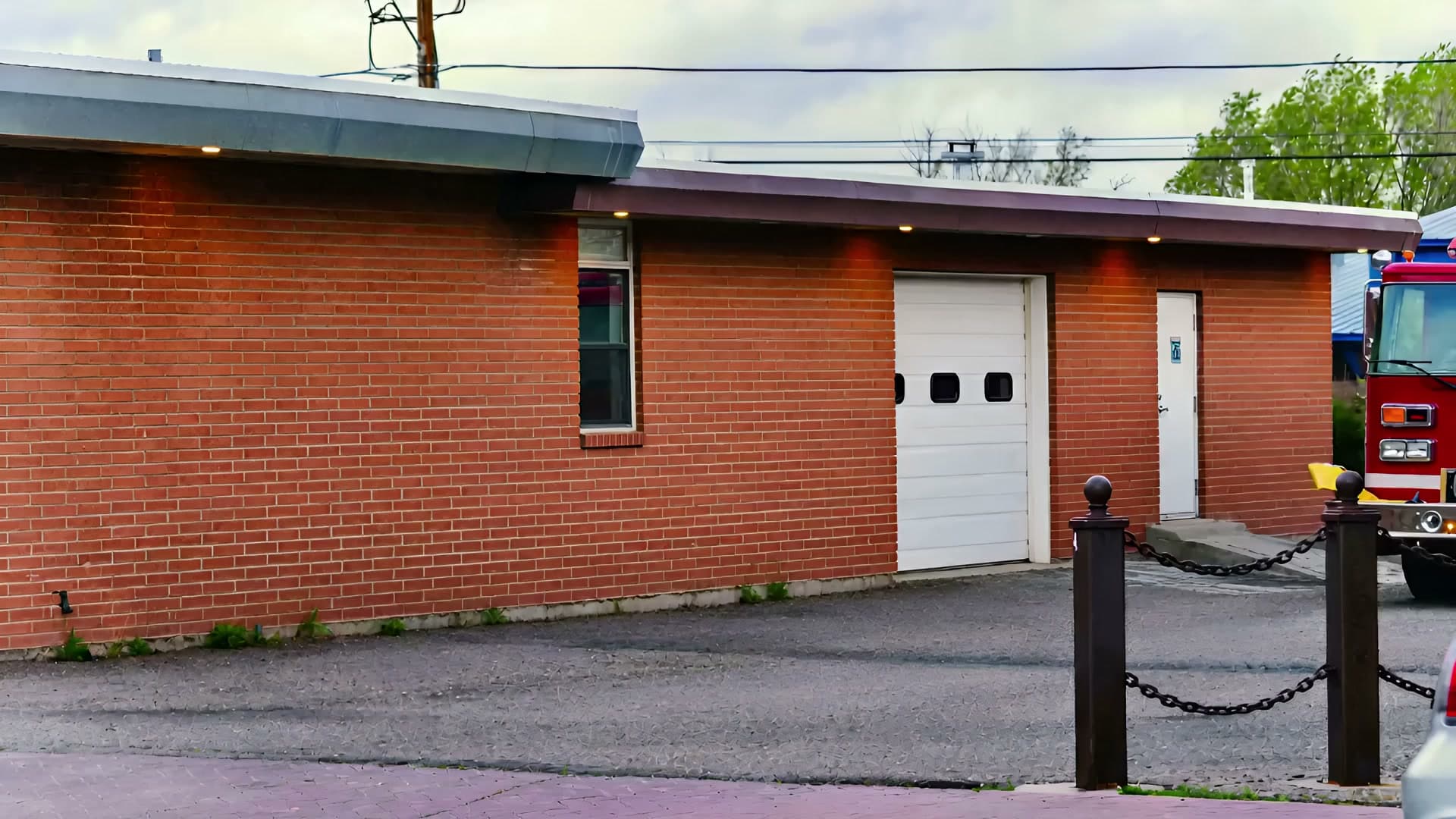
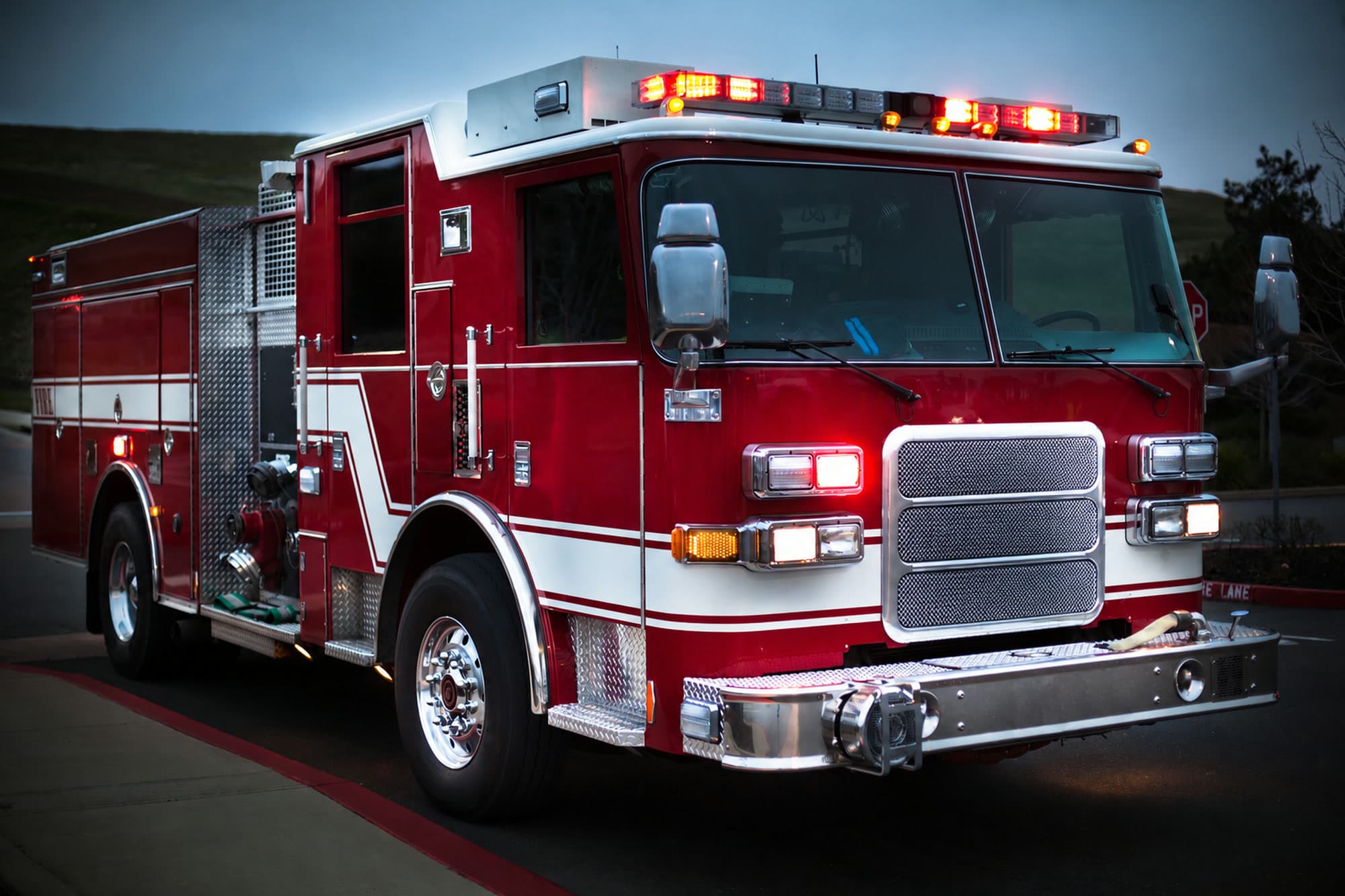
- Fire Apparatus
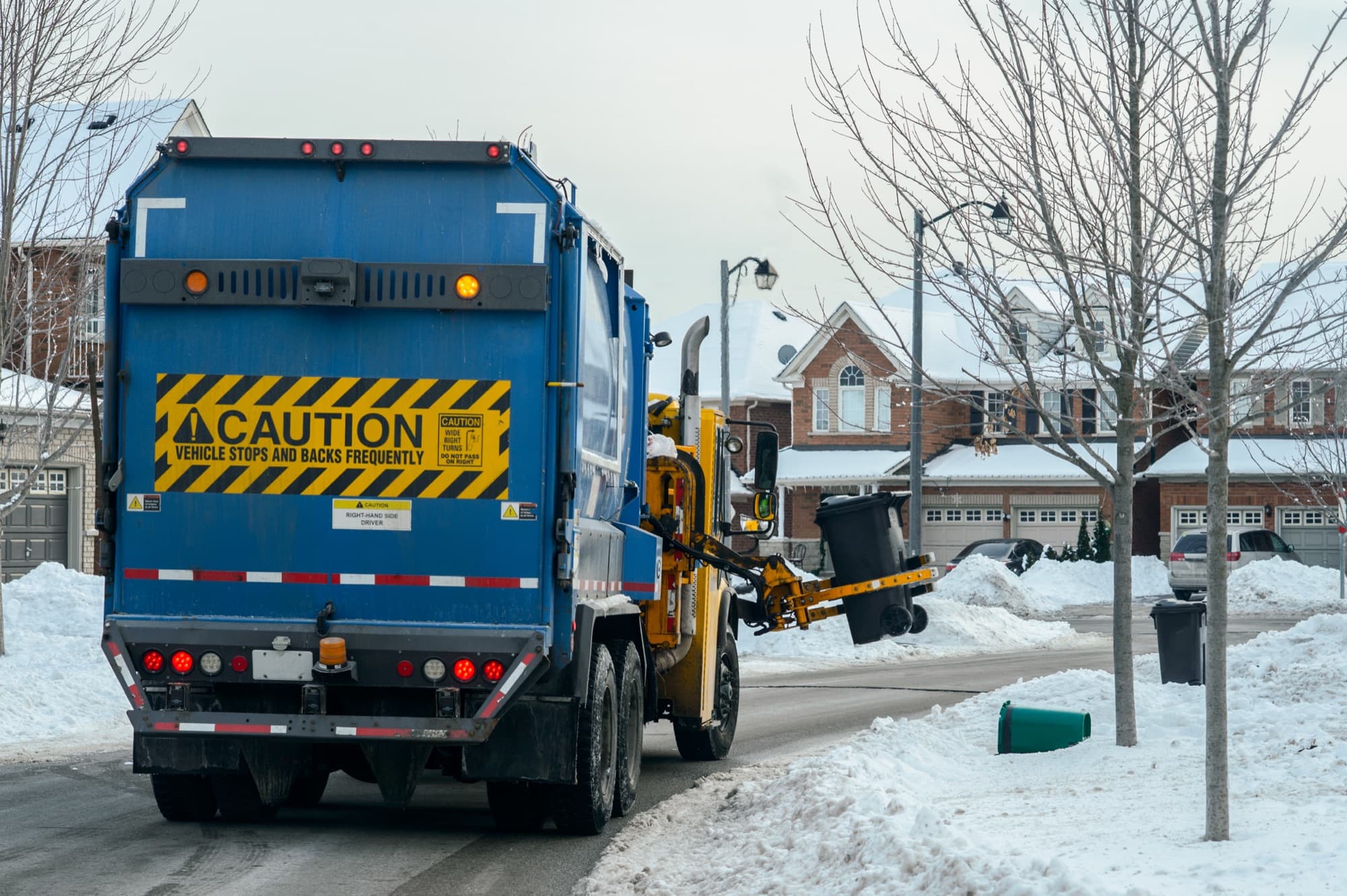
- Refuse Vehicles
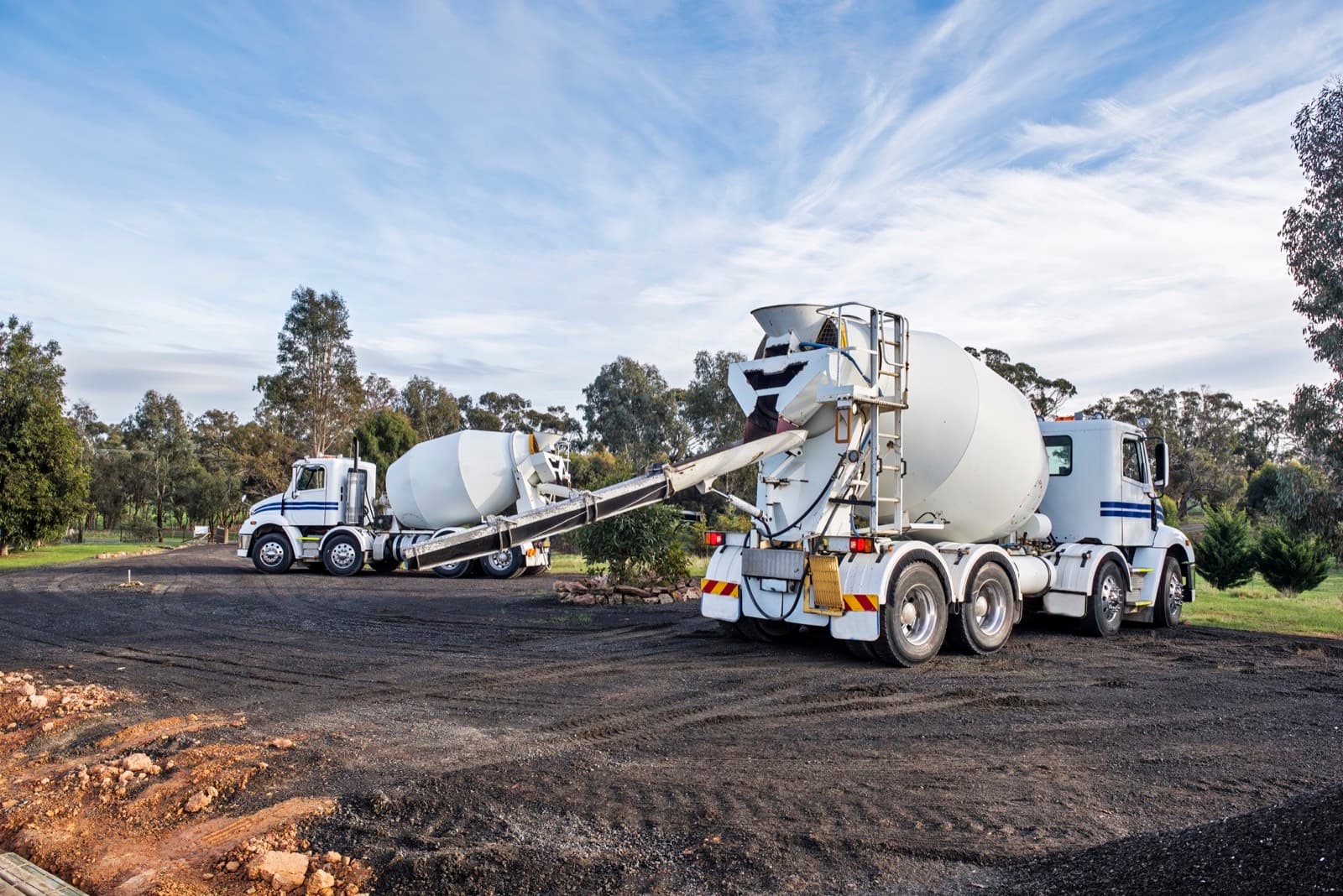
- Concrete Mixers
- Various Airport Products
Certifications for Transportation
- ISO 9001:2015
- 9 AWS Welding Codes
What goes into a transportation weldment.
- Service · 01
Cutting
Laser, turret punch, and shear cutting for sheet, plate, and structural shapes, the upstream operation that feeds forming and welding.
LaserTurretShearView Cutting→ - Service · 02
Forming
CNC press brake forming for complex bends across carbon steel, stainless, aluminum, and specialty alloys.
Press BrakeRollingView Forming→ - Service · 03
Welding & Fabrication
AWS-certified welds across MIG, TIG, spray-arc, flux core, and robotic processes, qualified to 9 AWS codes.
9 AWS CodesView Welding & Fabrication→ - Service · 04
Machining
CNC milling, drilling, and turning operations for precision components and threaded features.
MillingDrillingTurningView Machining→ - Service · 05
Assembly & Finishing
Timesavers belt grinding, deburring, and sandblasting prior to final assembly and shipment.
GrindingDeburringSandblastView Assembly & Finishing→
Where NTM fits in the transportation supply chain.
- Program · 01
Fire Apparatus
Structural weldments and body components for fire engine programs. Pump-area structural fabrication, body framing, and structural sub-assemblies.
D1.1D1.6NFPA 1900 - Program · 02
Refuse Vehicles
Structural and body weldments for refuse vehicle programs. Steel chassis-tied components and aluminum body fabrication.
D1.1D1.2 - Program · 03
Cement Mixers
Structural and fluid-handling components for concrete mixer programs. Mild steel sub-assemblies and stainless components.
D1.1D1.6 - Program · 04
Cargo Trailer
Structural weldments and sheet-steel fabrication for cargo trailer programs. Steel sub-assemblies and panel work.
D1.1D1.3 - Program · 05
Various Airport Products
Specialty vehicle and ground-support components fabricated across multiple alloys for airport-environment programs.
D1.1D1.2D1.6 - Program · 06
Automotive
Body panels, brackets, frames, and structural sub-assemblies for automotive and specialty-vehicle programs. Steel and aluminum component fabrication to OEM-spec drawings.
D1.1D1.2D1.3




Flowdowns transportation OEMs send to Tier-2.
- FMVSSNHTSA · 49 CFR Part 571
Federal Motor Vehicle Safety Standards
Federal regulations covering vehicle safety. Heavy truck and trailer OEMs flow specific FMVSS subparts to suppliers (121 brakes, 224 rear impact guards, 223 conspicuity). Material conformance and component testing must trace through Tier-2.
- NFPA 1900NFPA · 2024 Edition
Standard for Aircraft Rescue, Pumper, Initial Attack, Wildland, and Mobile Water Supply Apparatus
Consolidated standard governing fire apparatus structural, performance, and equipment requirements. Welding, fastener, and material clauses flow to Tier-2 fabricators on pump panels, body weldments, and structural booms.
- PPAPAIAG · IATF 16949 (5 levels)
Production Part Approval Process
Automotive new-part submission process. Level 3 is the common baseline: dimensional study, material certs, performance test results, capability data. Tier-2 suppliers compile the documentation that supports Tier-1's PPAP package.
- IATF 16949International Automotive Task Force
Automotive Quality Management System Standard
ISO 9001-based with automotive-specific add-ons. Required of all direct OEM (Tier-1) suppliers. Tier-2 fabricators don't need certification themselves but must support PPAP, FAI, and traceability the Tier-1 needs to maintain compliance.
- DOT 567U.S. Department of Transportation
Vehicle Certification Label · 49 CFR Part 567
Federal certification covering vehicle/component identification, GVWR, GAWR, and manufacturer responsibility. Frame builders and final assemblers carry the label responsibility; component flowdowns trace through to weldment suppliers.
How vehicle parts move through our floor.
- 01
Mill Test Report
Material verified at receiving with full traceability: heat lot, alloy, mechanical properties.
- 02
Cut & Punch
Sheet and plate cut to print on laser, turret, or shear. Nested for material yield.
- 03
Form
CNC press brake or roll forming for chassis members, body panels, brackets.
- 04
Steel Weld
Chassis frames, sub-frames, mounting structures, by AWS D1.1-qualified welders.
- 05
Aluminum Weld
Body panels, refuse bodies, lightweight assemblies, by AWS D1.2-qualified welders.
- 06
Stainless Weld
Sanitary tanks, fluid handling, pump panels, by AWS D1.6-qualified welders.
- 07
Finish
Pickling, passivation, paint, powder coat, or e-coat per customer specification.
- 08
FAI / PPAP
Dimensional and material verification documented. Certificate of Conformance compiled before ship.
Deeper reading for transportation buyers.
What transportation buyers ask about NTM.
- FAQ · 01 / 06
What's the difference between FAI and PPAP?
First Article Inspection (FAI) is a single new-part qualification documenting dimensional verification, material certification, and welder qualification records. Production Part Approval Process (PPAP) is the automotive industry's 5-level submission system governed by AIAG / IATF 16949. It requires FAI-style data plus DFMEA, PFMEA, process flow diagrams, control plans, capability studies, and customer-specific requirements. Fire apparatus, refuse, and specialty vehicle programs typically run on FAI; automotive programs run on PPAP.
- FAQ · 02 / 06
What AWS codes does NTM weld to for transportation work?
NTM is certified to nine AWS welding codes covering the full range of transportation fabrication: D1.1 (structural steel for chassis and frames), D1.2 (aluminum for body panels and lightweight assemblies), D1.3 (sheet steel for cab and body skins), D1.6 (stainless steel for fluid handling and sanitary applications), D8.1 (automotive resistance spot welding), D8.9 (automotive spot welding test methods), D9.1 (light-gauge sheet metal welding), A2.4 (welding symbols), and A3.0 (welding terms).
- FAQ · 03 / 06
What is NFPA 1900?
NFPA 1900 (2024 Edition) is the consolidated standard for fire apparatus construction. It replaced and absorbed NFPA 1901, 1906, 1910, 1911, and 1912 in 2024. The standard governs structural, performance, and equipment requirements for fire pumpers, aerial apparatus, wildland trucks, mobile water supply, and Aircraft Rescue and Fire Fighting (ARFF) apparatus. Specific clauses flow to Tier-2 fabricators for weldment, fastener, and material requirements.
- FAQ · 04 / 06
Does NTM support PPAP submissions?
NTM's quality system produces the documentation packages that Tier-1 customers compile into their PPAP submissions: Mill Test Reports, First Article Inspection reports, dimensional studies, capability data, and Certificates of Conformance. NTM itself is not IATF 16949 certified; that requirement applies to direct OEM (Tier-1) suppliers, while Tier-2 fabricators supply the underlying data Tier-1 needs to maintain compliance.
- FAQ · 05 / 06
What materials does NTM form and weld for transportation programs?
Mild steel and high-strength steel grades for chassis and structural members; aluminum for body panels and lightweight assemblies; stainless steel for fluid handling, pump panels, and sanitary applications; T1 steel for high-strength structural; food-grade stainless for sanitary tank work.
- FAQ · 06 / 06
Where is NTM located, and why does location matter for transportation suppliers?
NTM is located in New Franken, Wisconsin, within the Northeast Wisconsin / Fox Valley manufacturing corridor. The region builds a meaningful share of America's fire apparatus, tactical vehicles, and Navy combatant hulls. Tier-2 supplier proximity to OEM final assembly translates to shorter logistics lead time, faster RFQ response, and easier on-site quality reviews, particularly valuable on first-article programs where engineering review cycles matter.
First Article Inspection on every program.
Transportation OEMs require documented First Article Inspection on new parts before production releases. NTM's quality system carries every new transportation weldment through the same FAI process: dimensional verification, material certification, and welder qualification records compiled into a single submittal package.
See full quality system →Multi-Code Welder Qualification
Welders qualified across D1.1, D1.2, D1.3, D1.6, D8.1, D8.9, D9.1, matched to print requirements per weld symbol.
CMM Dimensional Verification
Coordinate Measuring Machine variable-data measurement for First Article and capability studies.
Material Traceability
Mill Test Reports and heat lot identification carried from receiving inspection through finished shipment.
First Article Inspection
Documented FAI completed when required by transportation OEM contract, typical for fire apparatus and specialty vehicle programs.
Documentation for Tier-1 Packages
Dimensional study, material certifications, and capability data compiled in the format Tier-1 customers need to build their own PPAP submissions.
Certificate of Conformance
C of C available per shipment referencing flowdown clauses: FMVSS, NFPA 1900, DOT 567, IATF 16949 as applicable.
Let's Build Together
NEW Tech Metals is a veteran-owned, family-owned small business supplying precision metal components and finished products to OEMs and Prime Contractors nationwide, supporting Defense, Transportation, and Machine & Equipment Building programs.